Artykuł pomocniczy · pojęcie · Pojęcia · Fundament SEO
Topical map (mapa tematyczna treści)
także: mapa tematyczna · content architecture · 8 pillars · topical coverage · Topical Map — Mapa Tematyczna 8 Filarów
Architektura treści oparta na 8 filarach tematycznych pokrywających całą dziedzinę prawa pracy dla pracodawców. Każdy filar to min. 2000 słów z FAQPage schema i cytowaniami naukowymi.
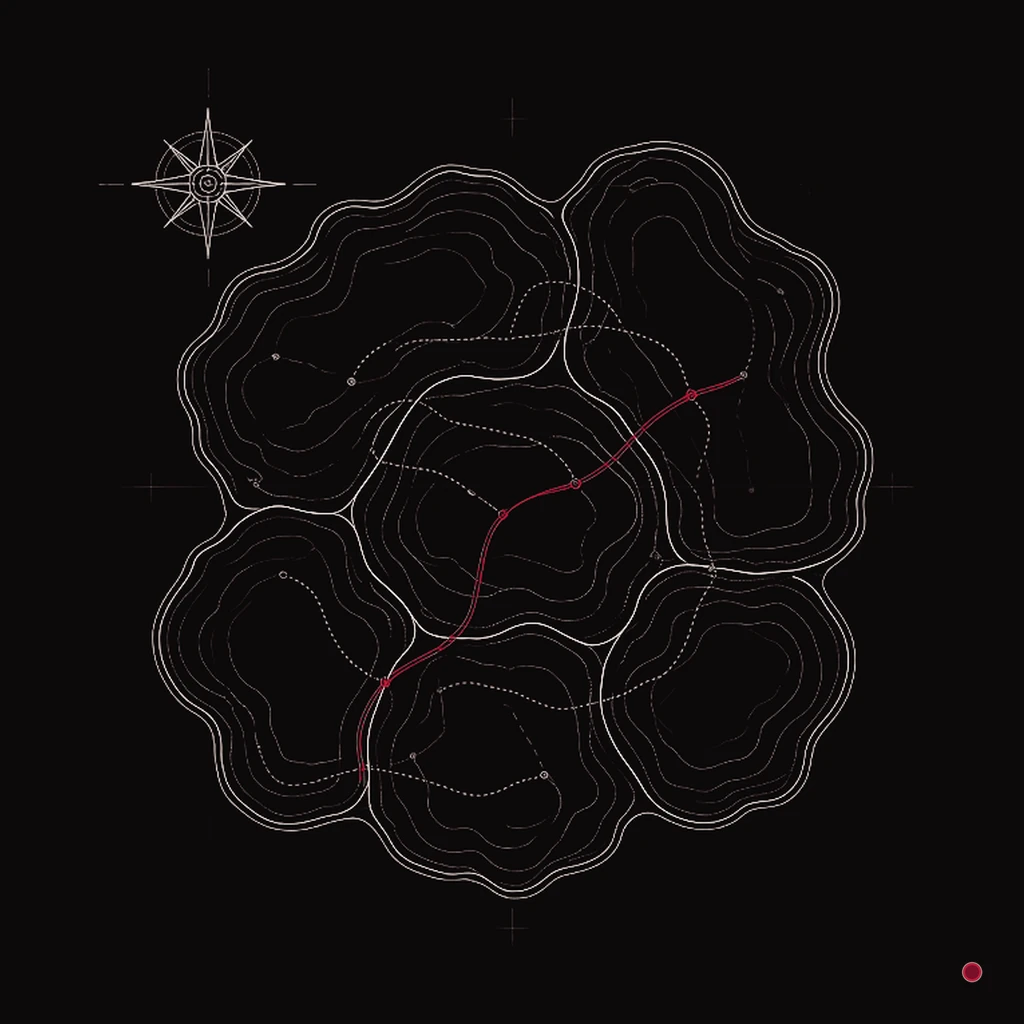
8 filarów tematycznych
Kancelaria (Pillar 0), Obsługa prawna firm (Pillar 1), Kontrola PIP (Pillar 2), Umowy B2B (Pillar 3), Szkolenia (Pillar 4), Zwolnienia (Pillar 5), Mobbing (Pillar 6), Sygnaliści (Pillar 7). Każdy filar ma dedykowaną kolekcję w Directus i własną kategorię.
Rozszerzona definicja
Mapa tematyczna treści (topical map) to planowana architektura całego zasobu treści serwisu, w której każdy temat główny (filar) jest systematycznie rozwijany przez powiązane artykuły satelitarne, tak aby pokryć całą dziedzinę bez luk — jak opisuje to Koray Tuğberk GÜBÜR w swoim materiale poświęconym budowaniu i rozszerzaniu map tematycznych12.
Moz opisuje powiązane pojęcie klastrów tematycznych (topic clusters) jako framework strategii treści organizujący content według tematów, a nie pojedynczych słów kluczowych3.
Jak to działa
Mapa tematyczna wyznacza zestaw filarów (stron głównych dla każdego tematu) oraz artykułów satelitarnych, które je otaczają; linki wewnętrzne łączące te warstwy rozprowadzają link equity po całym klastrze, pomagają użytkownikom szybciej znaleźć potrzebne treści i ułatwiają wyszukiwarkom zrozumienie relacji między stronami4.
Grupowanie podobnych tematów w katalogach (folders) pomaga Google uczyć się, jak często zmieniają się adresy URL w poszczególnych katalogach, co ma znaczenie dla crawlowania i indeksacji serwisów liczących więcej niż kilka tysięcy adresów URL5.
Dlaczego to ważne
SEO polega na pomaganiu wyszukiwarkom w rozumieniu treści oraz użytkownikom w znalezieniu strony i podjęciu decyzji, czy warto ją odwiedzić przez wyszukiwarkę; spójna architektura tematyczna bezpośrednio wspiera oba te cele6.
Badanie Graphite przeprowadzone na 12 witrynach wykazało, że wysoki autorytet tematyczny znacząco skraca czas do widoczności, czyli tempo uzyskania pierwszego wyświetlenia (impression) i pierwszego kliknięcia (click)7.
Przykłady
- Graphite opracowało własny algorytm do pomiaru autorytetu tematycznego, którego wartości mieszczą się w zakresie 0–100, analogicznie do domain authority lub domain rank stosowanych w branży SEO8.
- Serwis smartseoarticle.com relacjonuje, że podejście polegające na adresowaniu różnych potrzeb informacyjnych w ramach jednej strony może tworzyć silniejsze pokrycie tematyczne i zwiększać wartość treści dla czytelników chcących uzyskać pełne zrozumienie tematu9.
- Serwis allainews.net wskazuje, że kierunek rozwoju wyszukiwania opartego na AI sprawia, że czysta architektura treści staje się coraz ważniejsza, a Google rozszerza pomiar widoczności generatywnego AI w Search Console10.
Częste błędy i mity
- Mit: mapa tematyczna to lista słów kluczowych — w rzeczywistości Moz definiuje klastry tematyczne jako framework organizujący treści według tematów, a nie pojedynczych słów kluczowych3.
- Mit: Google odkrywa nowe strony głównie przez sitemapy — w rzeczywistości Google przede wszystkim odkrywa strony przez linki z innych stron, które już wcześniej zaindeksował11.
- Błąd: pomijanie linków wewnętrznych między filarami a artykułami satelitarnymi — linki te są mechanizmem rozprowadzania link equity i sygnalizowania wyszukiwarkom relacji między stronami4.
- Błąd: budowanie mapy tematycznej bez identyfikacji luk — Surfer Academy wskazuje, że nierozpoznane luki w pokryciu treści mogą osłabiać autorytet serwisu12.
Powiązane hasła
Źródła i odwołania
-
Topical Authority: 15 Semantically Optimized Topical Maps for SEO
my name is owner and founder of holistic SEO and digital and in this video we will be explaining what a topical map is and how we can actually expand a topical map or how we can create a topical map for an existing website that already takes the traffic or a website that has already
-
Topical Authority: 15 Semantically Optimized Topical Maps for SEO
very much higher of course but at least we can have a kind of intimate relation that's why I wanted to put this here and here too I will explain some certain things to expand the topical map and create the topical Authority with semantics without harming any kinds of project so before I actually published some of these projects with the lexical semantics
-
SEO Topic Clusters: Complete Guide, Examples & Free Templates - Moz
Topic clusters are a content strategy framework that helps you organize your content by topic rather than individual keywords.
-
SEO Topic Clusters: Complete Guide, Examples & Free Templates - Moz
These links: * Distribute link equity across your cluster and * Help visitors find what they need faster * Make it easy for search engines to understand their relationship
-
If you have more than a few thousand URLs on your site, how you organize your content may have effects on how Google crawls and indexes your site. Specifically, using directories (or folders) to group similar topics can help Google learn how often the URLs in individual directories change.
-
SEO—short for search engine optimization—is about helping search engines understand your content, and helping users find your site and make a decision about whether they should visit your site through a search engine.
-
Study Shows That High Topical Authority Leads to Faster Organic Search Visibility
Graphite conducted a study across 12 websites of the relationship between Topical Authority and SEO performance, and found that high Topical Authority significantly decreases time to visibility — how quickly an article earns its first impression and first click.
-
Study Shows That High Topical Authority Leads to Faster Organic Search Visibility
To measure Topical Authority, Graphite needed to develop its own proprietary algorithm. Similar to domain authority or domain rank used across the SEO industry, the values range between 0 and 100, where a high value represents high Topical Authority.
-
How High-Value Content Builds Lasting Visibility, Trust, and Revenue
factors customers should consider. Each section addresses a different information need while contributing to the overall usefulness of the page. This approach can create stronger topical coverage and make the content more valuable to readers who want a complete understanding of the subject. Internal Linking Extends Content Value A high-value article
-
Do AI Search Engines See Content Hidden in Accordions?
at that time, then compare them with documented crawler and indexing behavior. What happens next for AI search and expandable content? The direction of AI search makes clean content architecture more important, not less. Google is expanding measurement of generative AI visibility in Search Console, while Bing provides AI-performance reporting for
-
Google primarily finds pages through links from other pages it already crawled.
-
How to Dominate AI Search Results in 2026 (ChatGPT, AI Overviews & More)
authority. This means creating content that thoroughly covers all aspects of your niche, answering the full spectrum of questions your audience might ask. This is where Surfer's Topical Map becomes invaluable. Topical Map visually maps out your current content coverage and identifies gaps that might be undermining your authority.
Każde zdanie powyżej odsyła do dosłownego cytatu ze źródła. Daty to daty publikacji lub pobrania źródła.
Źródła faktów
- SEO/strategies/lawinhr/plan-dzialania.md